 Home
Home

Beginning of the main content.
Nothing moves you like VIA
 Check Arrivals & Departures
 Getting around at your destination
 Baggage info
Featured offers
See all special offersA trip that suits you
Fast, Fun, Relaxing, Productive: take the trip you want when you want it.
#senior travellers
Travel your way
Take advantage of all the perks of travelling by train.
#corridor
Discover our new trains
Now travelling between Québec City, Montréal, Ottawa and Toronto.
#getaways
Get away from it all
Let go as you settle in for some “me” time.
Travel ideas
Looking for a place to go? We’ve got you covered with our travel tips.
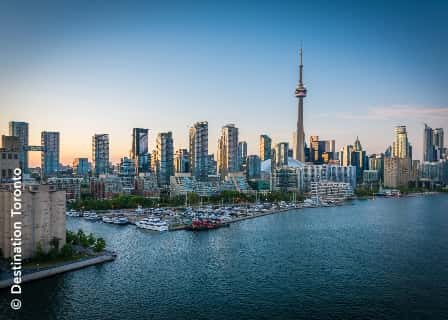

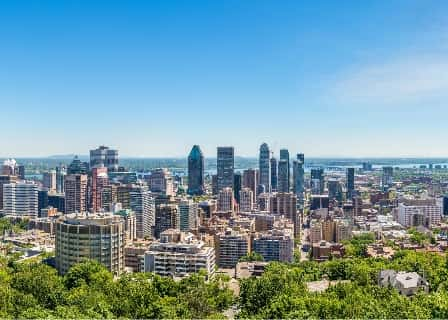
Plan your next trip
#BOOK
Get ready to go places
Don't let anything stop you: book your trip now.
#BUSINESS CLASS
Reboard, recharge, relax
Have a seat in Business class and get that train feeling... with a little extra.
#Arrivals and departures
Choose when to go
We offer you a multitude of departures, see what suits you.
Our transformation projects
The train of tomorrow is here
Find out more about our Fleet Replacement Program.
Sustainable mobility
At VIA Rail, we are playing our part in shaping the future of mobility by making cities and communities more accessible, connected and sustainable.
Better accessibility for all
We aim to be the No. 1 transport solution for people with reduced mobility or other types of disabilities.

Stay Tuned